-
Case 2
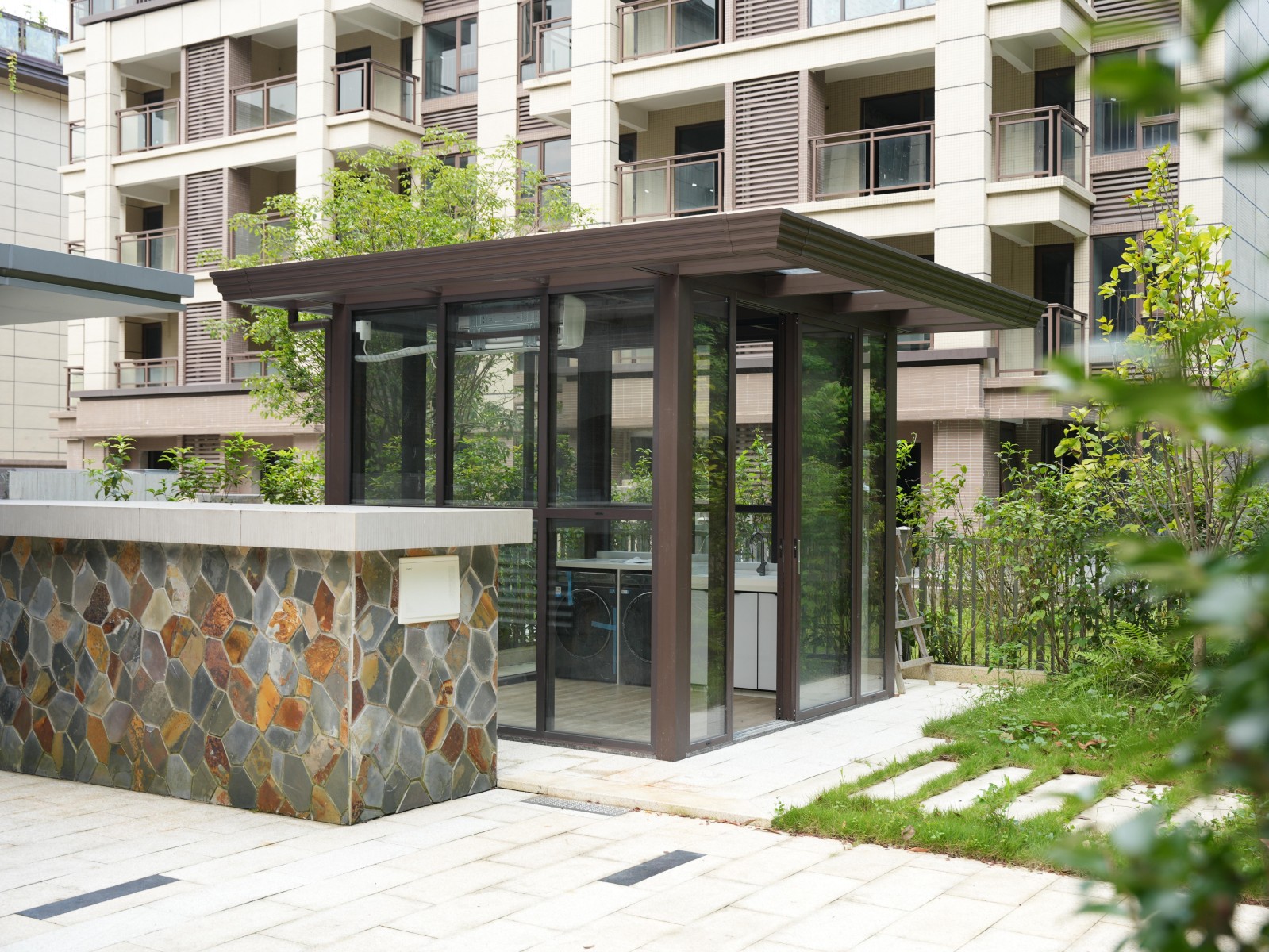
Aluminum Alloy Sunroom Pavilion: Creating Your Exclusive Leisure Space
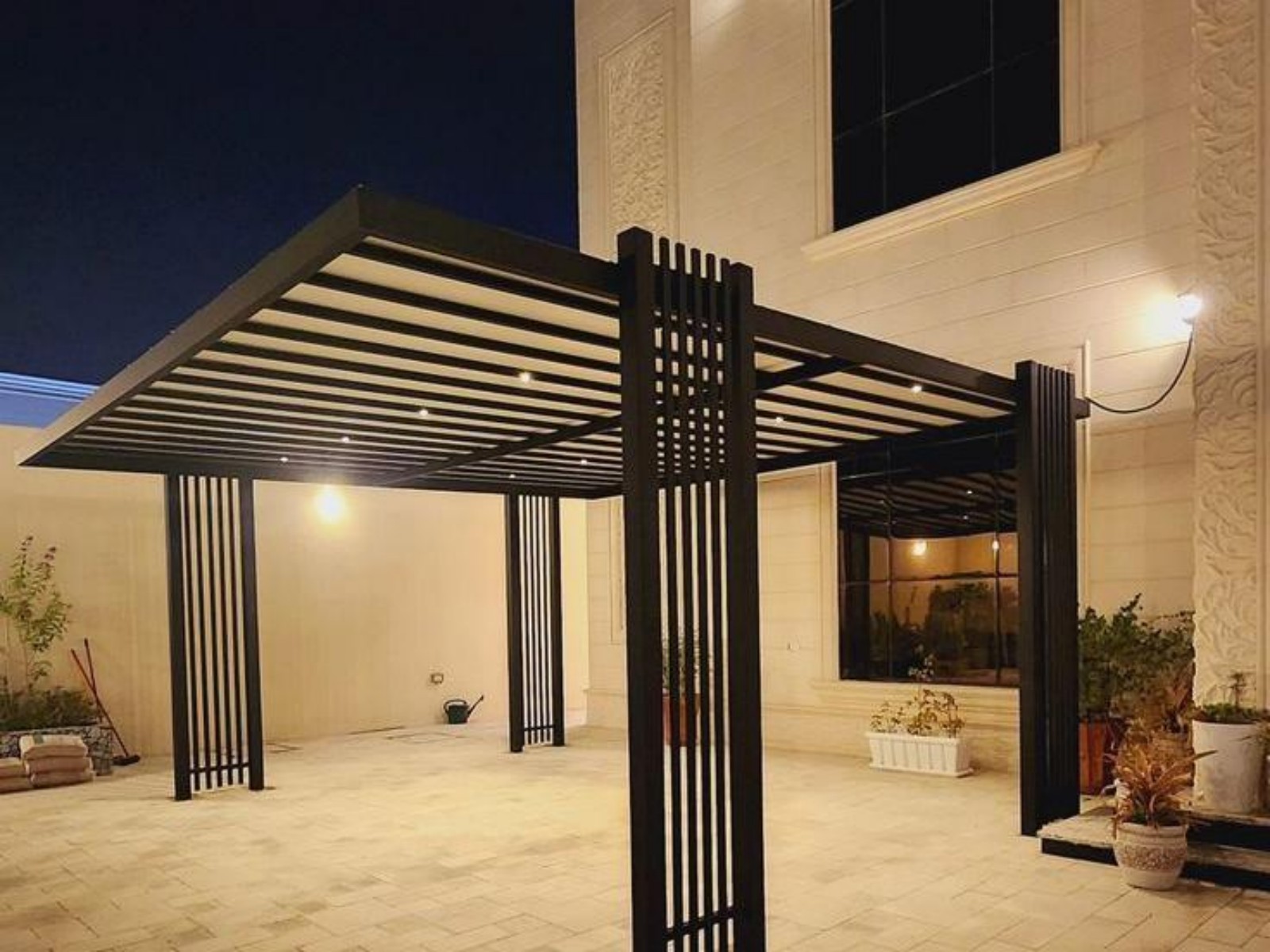
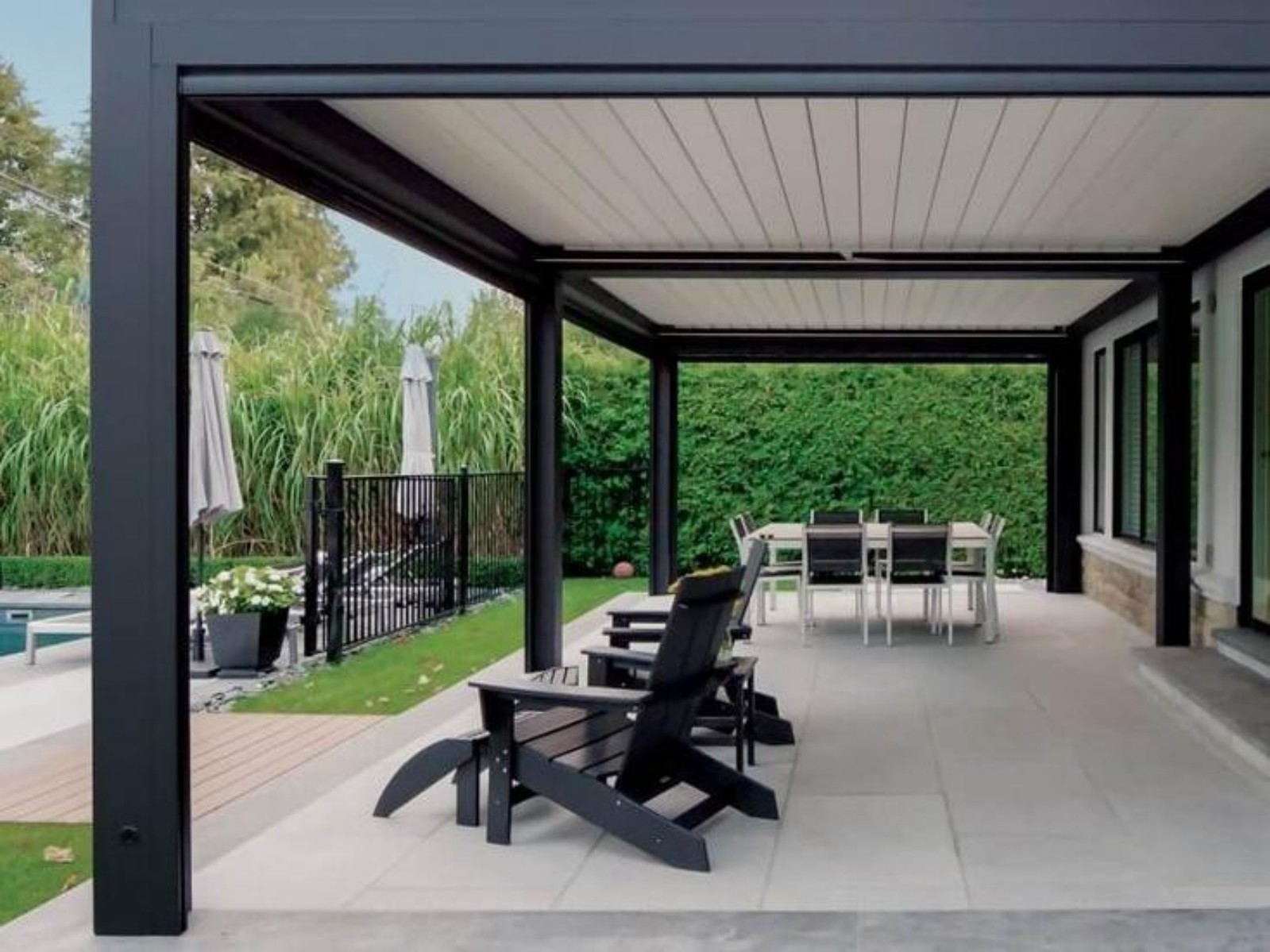
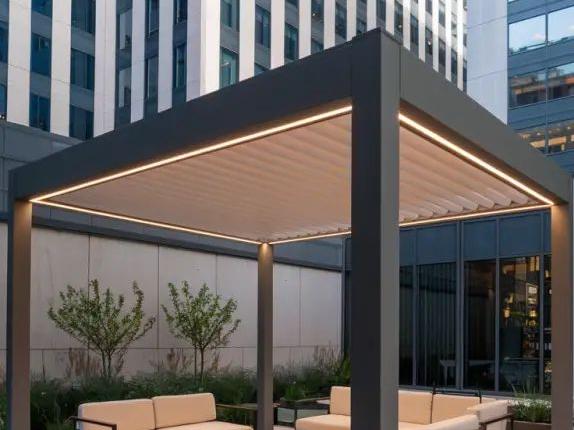
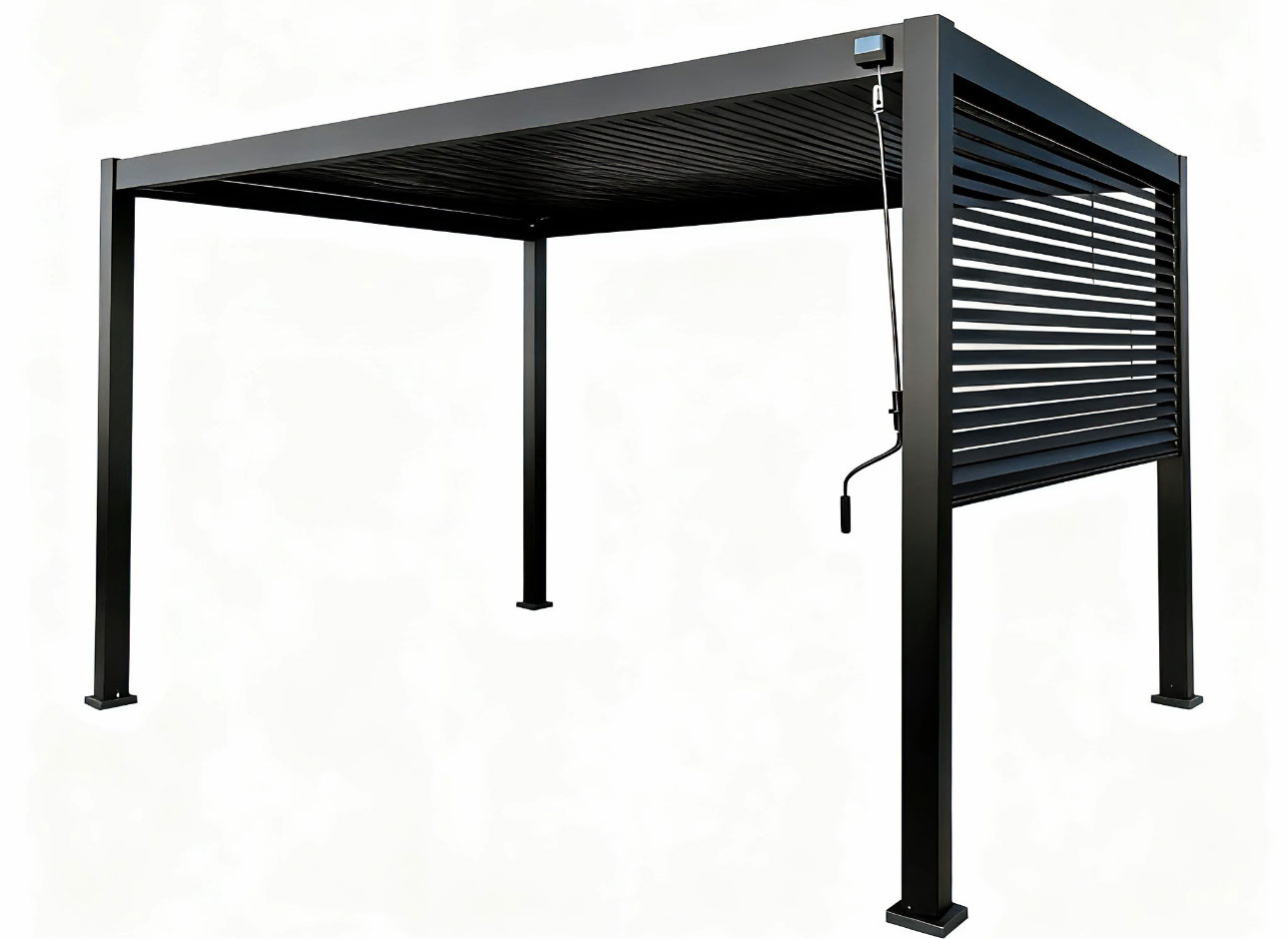
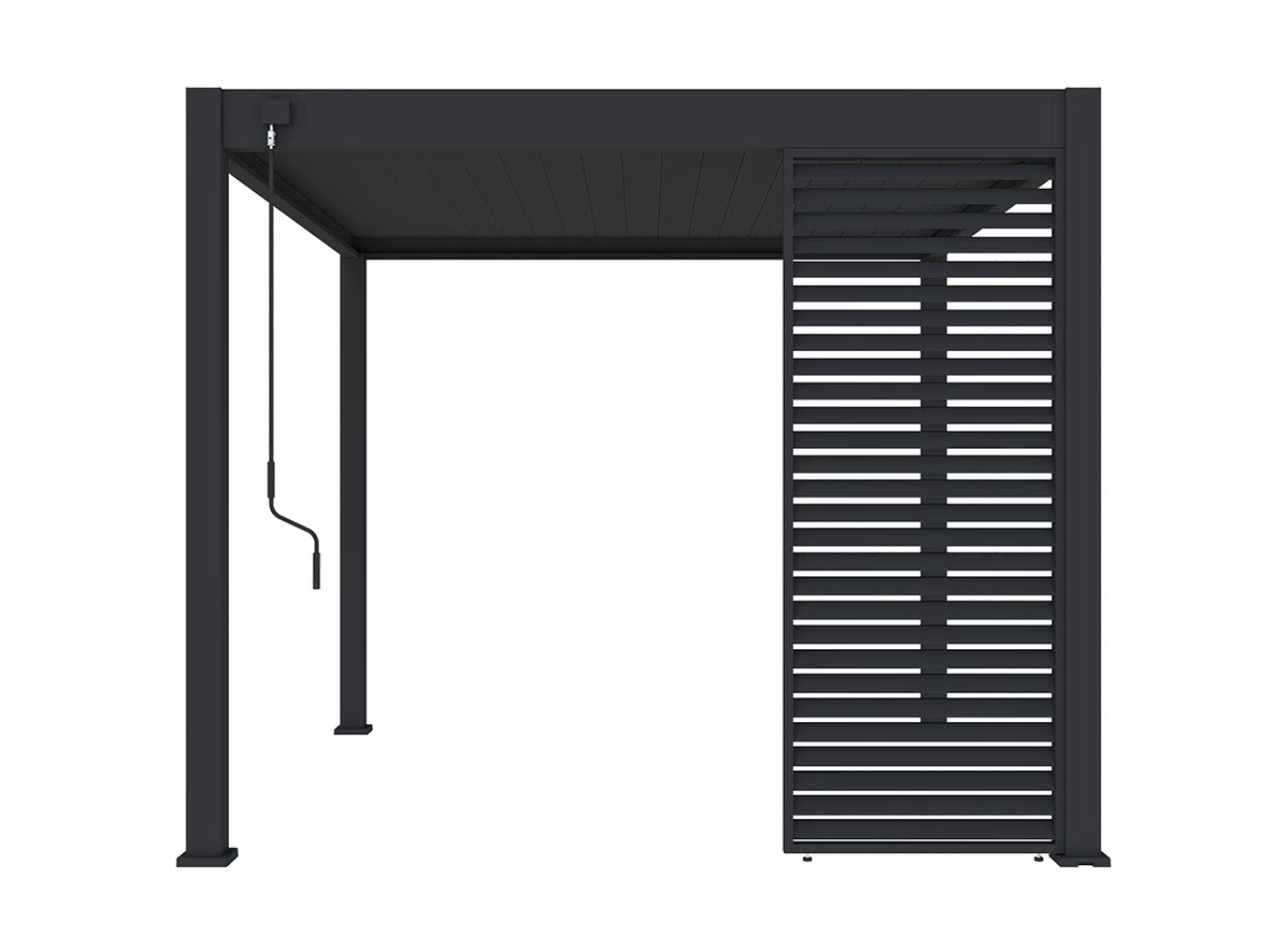
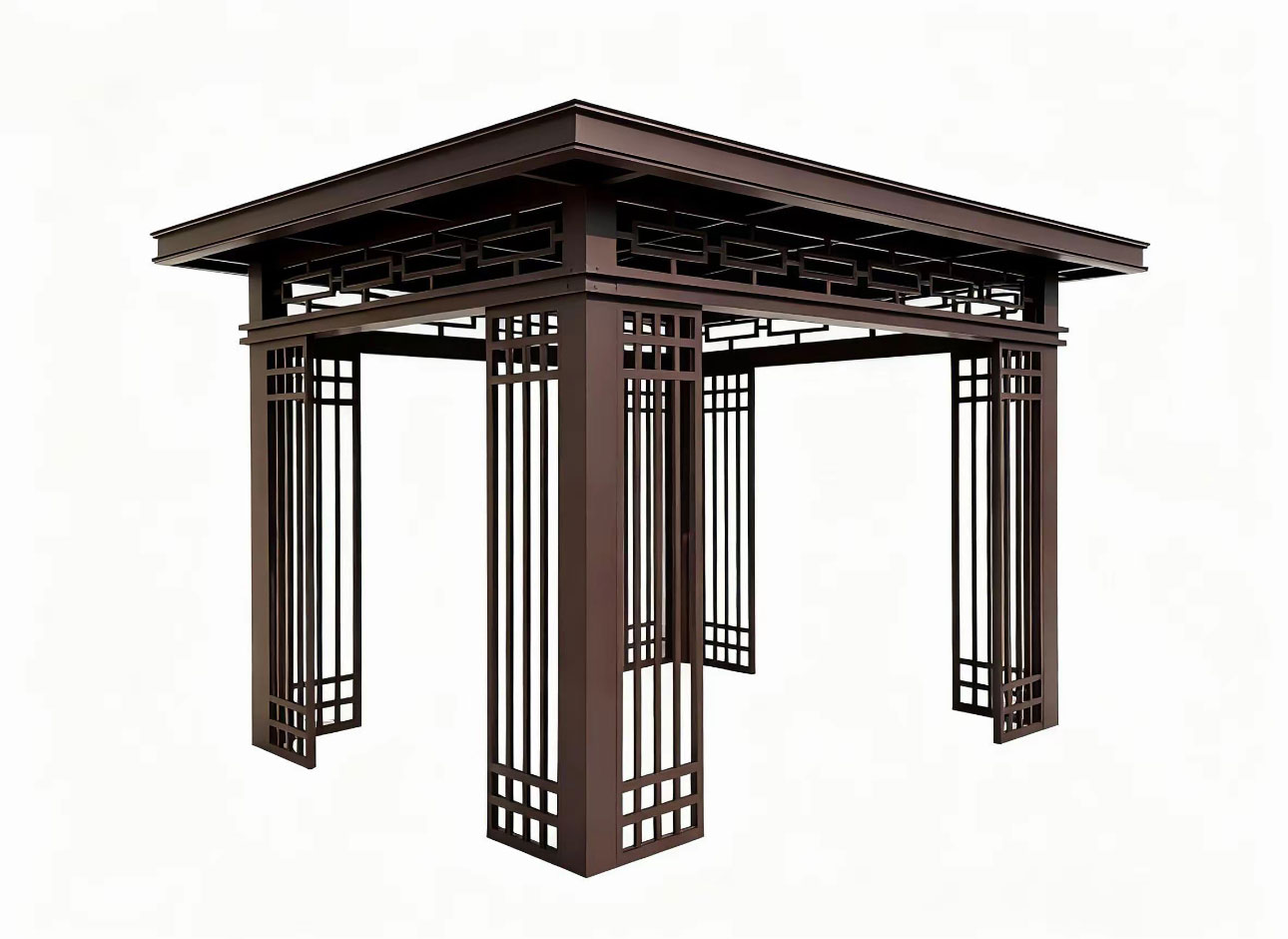
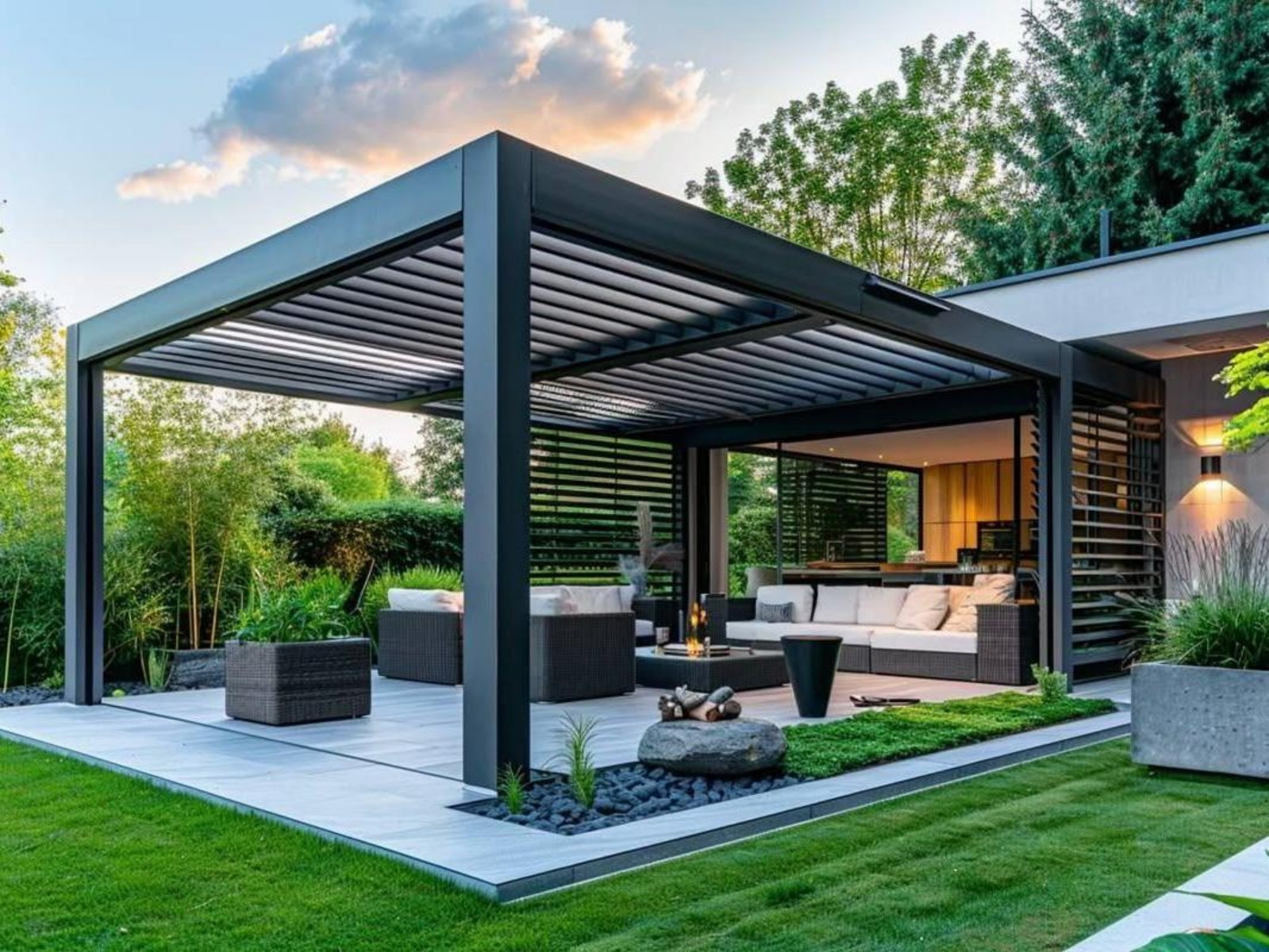
The aluminum alloy pavilion is an outdoor architectural product made mainly of high-strength aluminum alloy, combined with modern technology and aesthetic design. It has a stable structure, elegant shape, and combines practicality and decoration. It can protect from wind and rain and add a natural and artistic atmosphere to the outdoor space. The frame structure is scientifically reasonable, and the modular design makes it easy to install and dismantle. The size and shape can be flexibly adjusted according to the site requirements. The top often uses aluminum alloy tiles, tempered glass, or glass, which balance shading, rain protection, and light transmission. Some products are equipped with adjustable shading systems to meet different scene needs.
Scope of Application:
Private courtyards and residences (creating private spaces for outdoor gatherings, tea breaks, and reading),
Schools and kindergartens: Creating outdoor learning or activity areas to provide shelter for students,
Restaurants, cafes, hotels: Setting up outdoor dining or leisure areas,
Garden landscapes, resorts, scenic trails: Integrating with natural landscapes, serving as rest areas or viewing platforms,
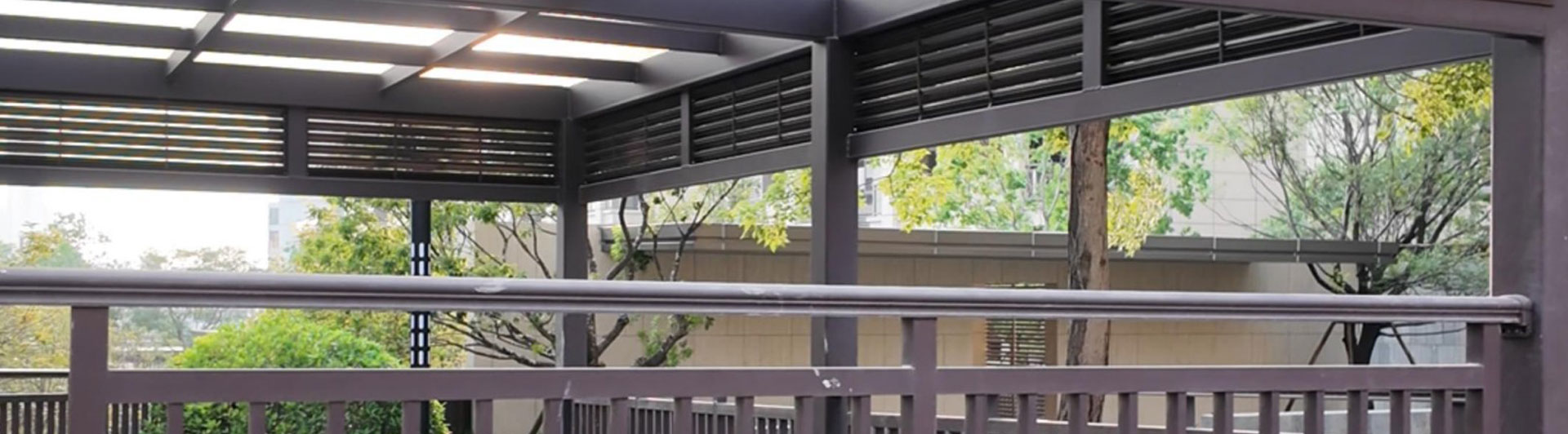
High-rise residential or apartment terraces: By installing pavilions, effectively shielding from wind, rain, and sunlight, creating a safe and comfortable outdoor small garden.
-
Case 1
Aluminum Alloy Sunroom Pavilion: Creating Your Exclusive Leisure Space
The aluminum alloy pavilion is an outdoor architectural product made mainly of high-strength aluminum alloy, combined with modern technology and aesthetic design. It has a stable structure, elegant shape, and combines practicality and decoration. It can protect from wind and rain and add a natural and artistic atmosphere to the outdoor space. The frame structure is scientifically reasonable, and the modular design makes it easy to install and dismantle. The size and shape can be flexibly adjusted according to the site requirements. The top often uses aluminum alloy tiles, tempered glass, or glass, which balance shading, rain protection, and light transmission. Some products are equipped with adjustable shading systems to meet different scene needs.
Scope of Application:
Private courtyards and residences (creating private spaces for outdoor gatherings, tea breaks, and reading),
Schools and kindergartens: Creating outdoor learning or activity areas to provide shelter for students,
Restaurants, cafes, hotels: Setting up outdoor dining or leisure areas,
Garden landscapes, resorts, scenic trails: Integrating with natural landscapes, serving as rest areas or viewing platforms,
High-rise residential or apartment terraces: By installing pavilions, effectively shielding from wind, rain, and sunlight, creating a safe and comfortable outdoor small garden.
-
Case 5
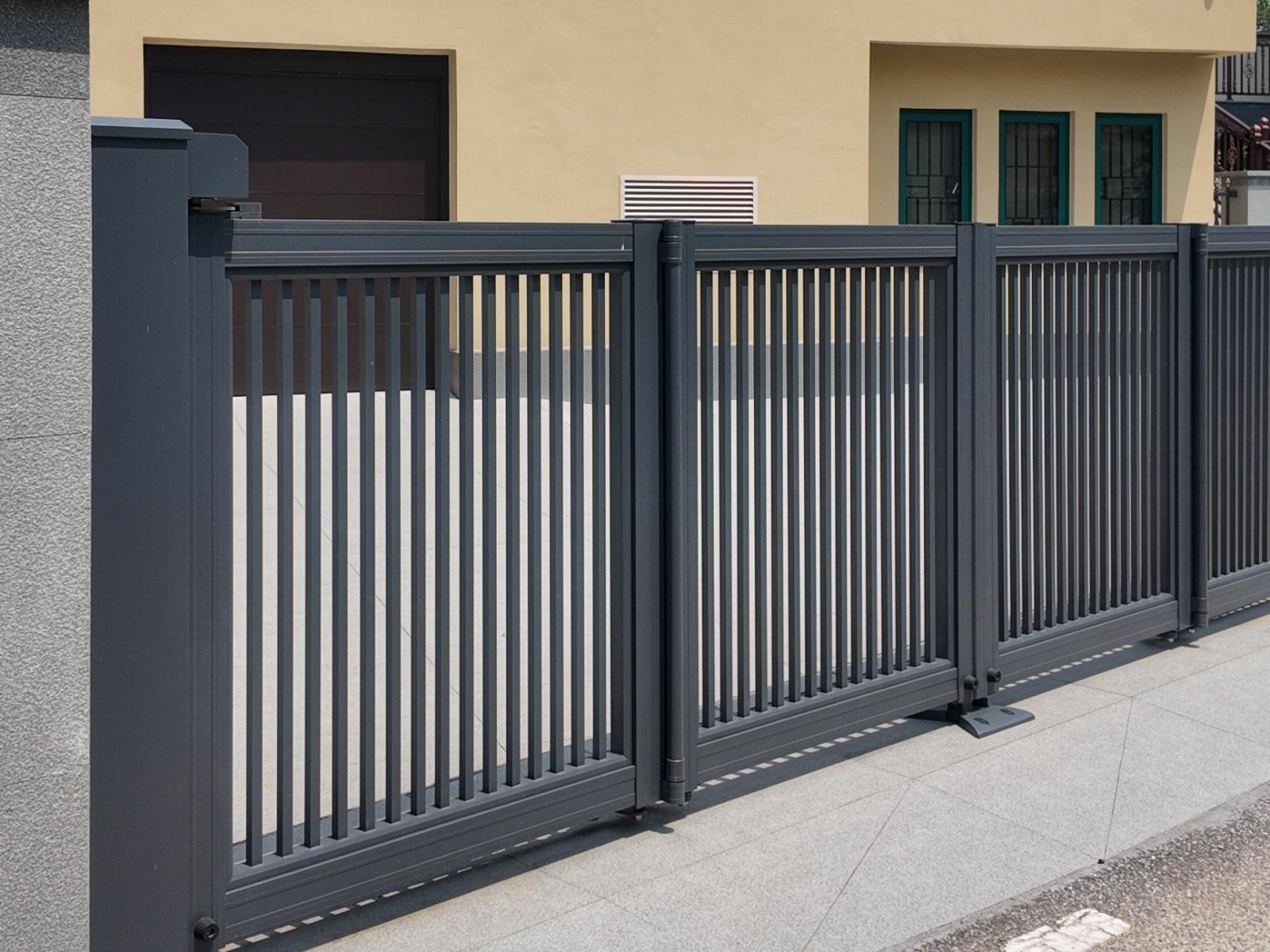
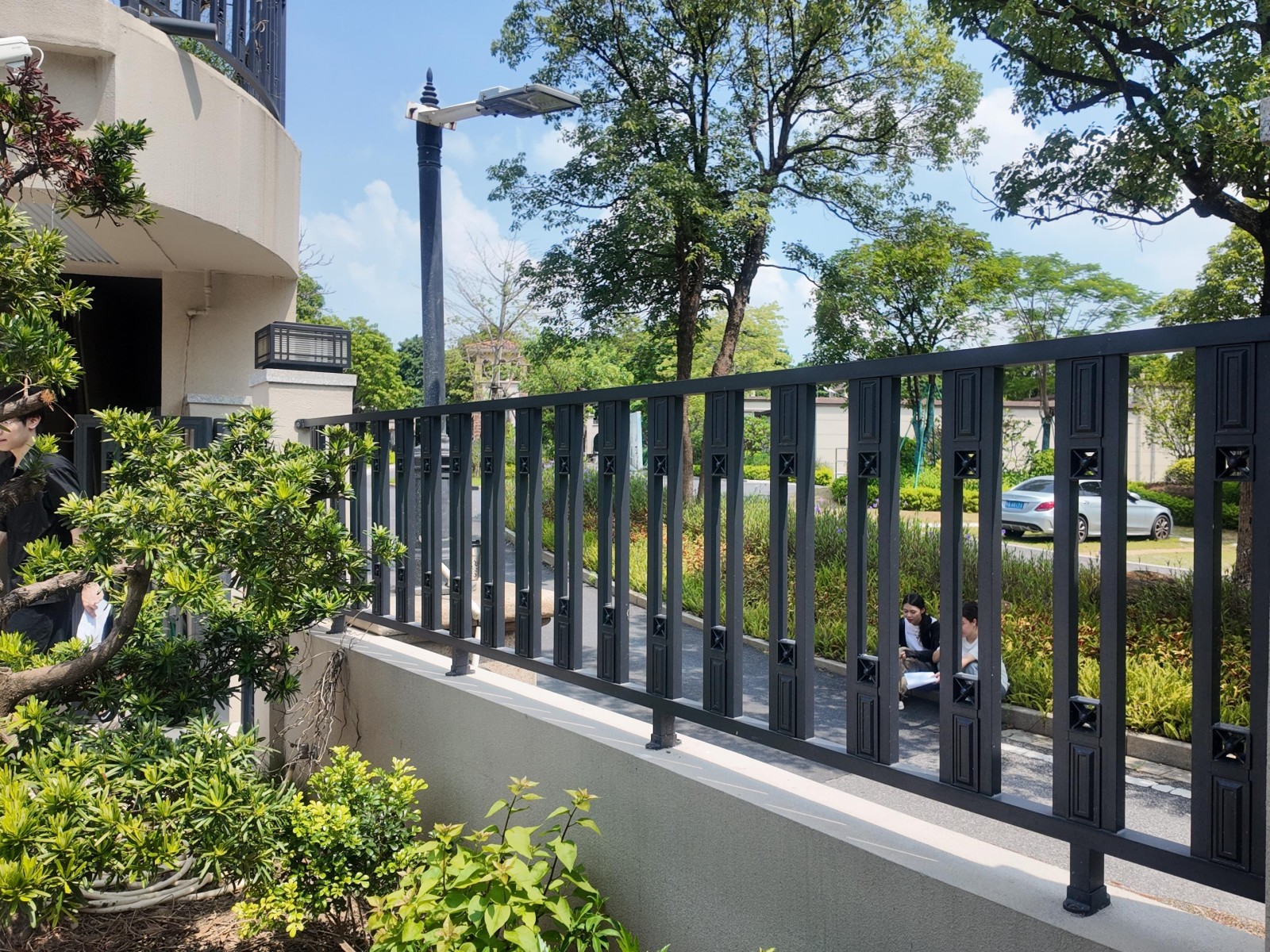
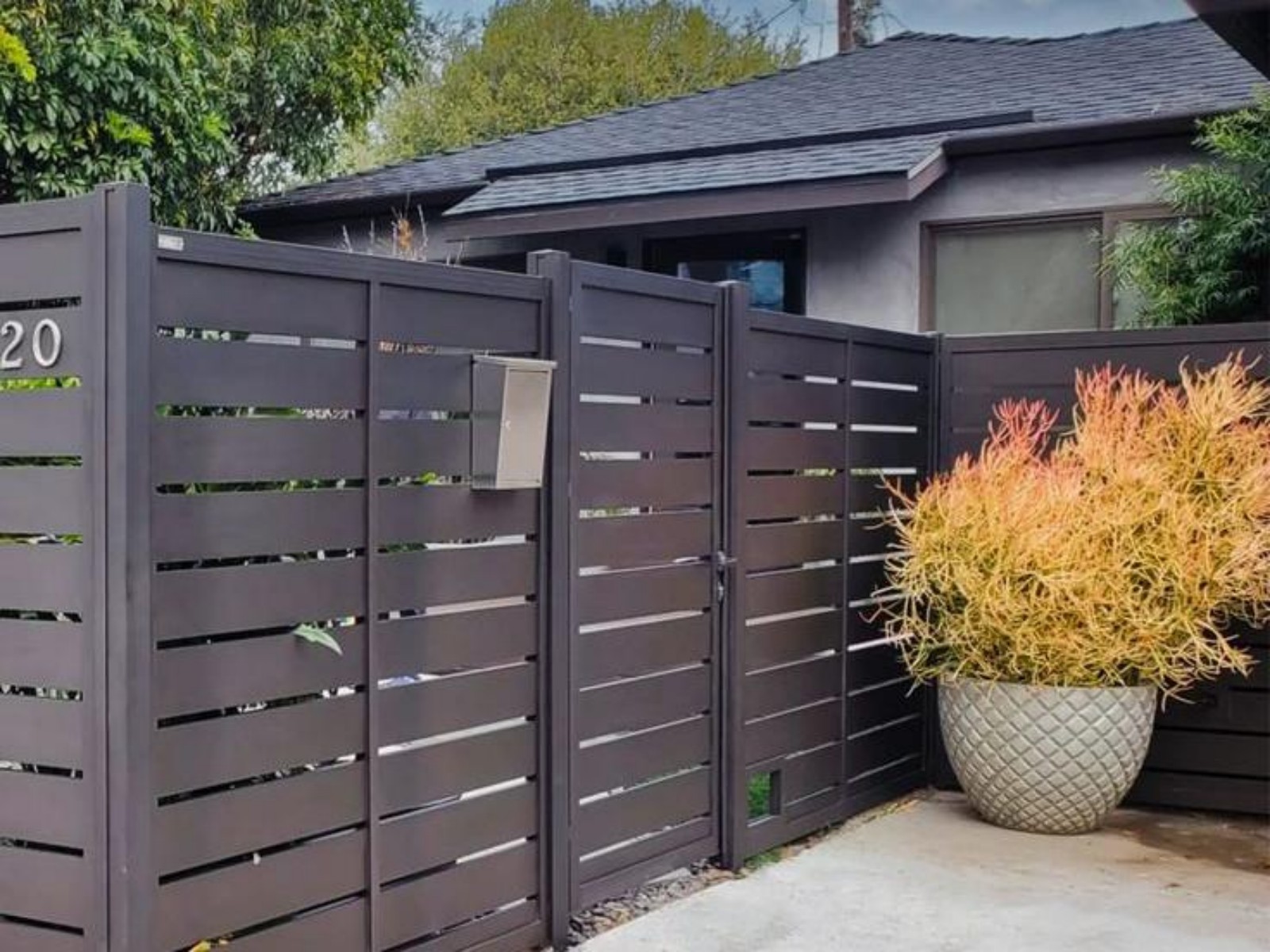
Case Study of Aluminum Alloy Fence Project in Malaysian Villa Area: A Comprehensive Safety, Aesthetics and Intelligence Integrated Solution in a Tropical Climate
Project Background: The Malaysian villa area is located in Johor City. The architectural style combines modern simplicity. The community consists of single-family and row houses, with the majority of the owners being international individuals and local high-net-worth families. To enhance the safety, privacy, and overall image of the community, the developer decided to upgrade the existing fences and replace them with aluminum alloy fences, creating an outdoor protection system that is both functional and artistic.
II. Project Pain Points
1. Climate Adaptability Pain Points:
● Malaysia has a hot and rainy climate all year round. Traditional iron fences are prone to rust, wooden fences are eroded by termites, and their lifespan is short.
● Frequent typhoons: Traditional fences have weak wind resistance and are prone to deformation or collapse, posing safety hazards.
2. Safety Protection Pain Points:
● The original fences were too low (only 1.8 meters), lacking anti-climbing design. There were multiple incidents of outsiders entering the community, resulting in low security for the owners.
● Insufficient night lighting, many blind spots for surveillance, and delayed security response.
3. Aesthetics and Integration Pain Points:
● The original fences were monotonous and clashed with the tropical garden style of the villa area. They lacked high-end texture and regional cultural characteristics.
● Some fences did not match the terrain, with gaps at corners and slopes, affecting overall aesthetics and sealingness.
4. Sustainability Pain Points:
● The materials are not recyclable, and the disposal of waste causes environmental pollution, not meeting the requirements of green community certification.
III. Solution
Solution: Aluminum Alloy Fence Integrated System
1. Climate Adaptation Technology:
● Select 6063-T5 aluminum alloy, with a durability reaching ISO 9227 standards, resistant to salt spray and ultraviolet rays, suitable for high-temperature and high-humidity environments.
● Structural reinforcement design: The posts adopt "embedded ground anchors + reinforced steel bars", with an anti-wind rating of 12 levels, and additional hidden anti-theft spikes on the top to prevent climbing.
2. Safety Upgrade Modules:
● The overall height of the fence is increased to 2.3 meters, and double-layer interlaced fences are added in key areas.
3. Aesthetics and Integration Design:
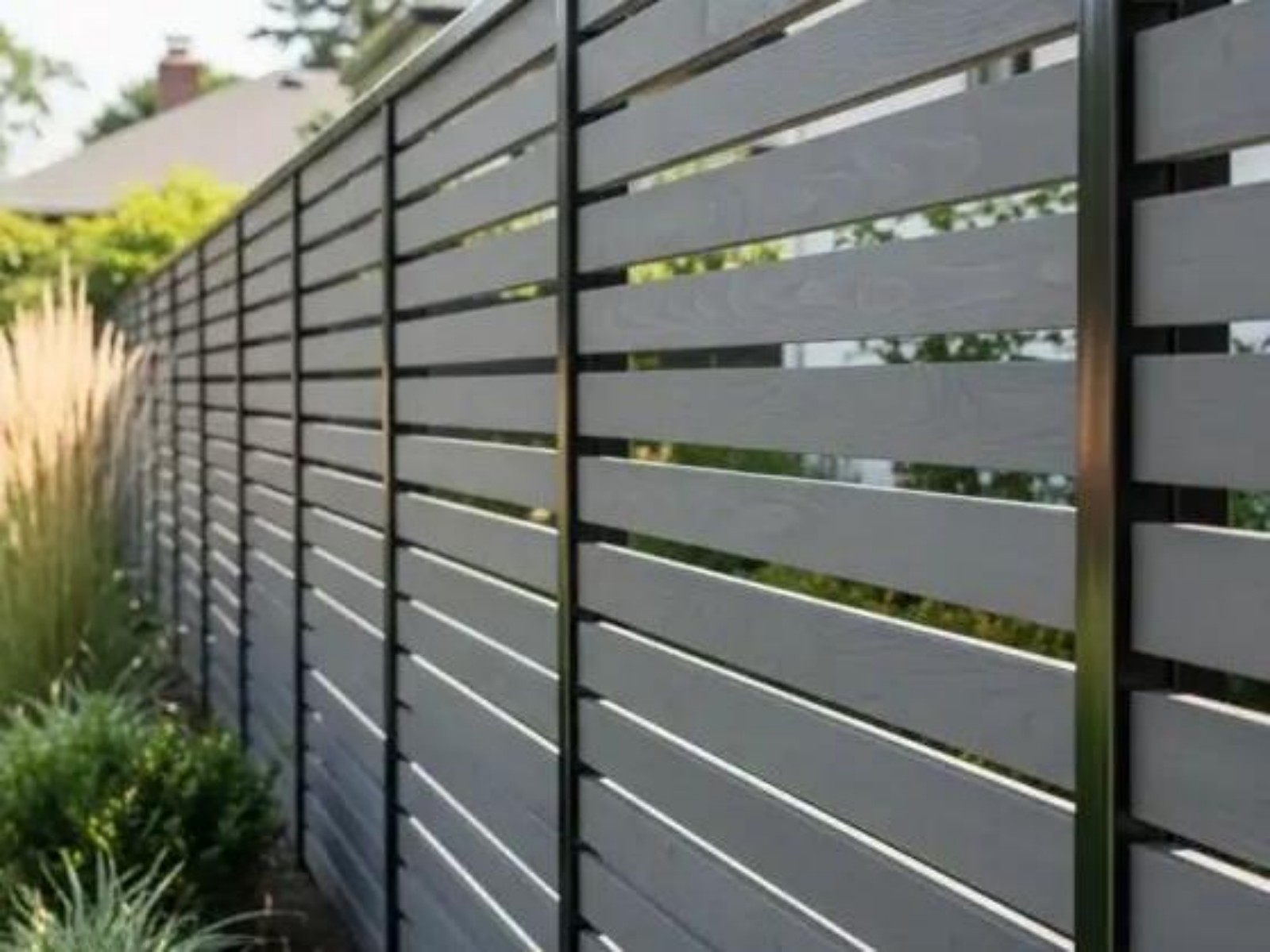
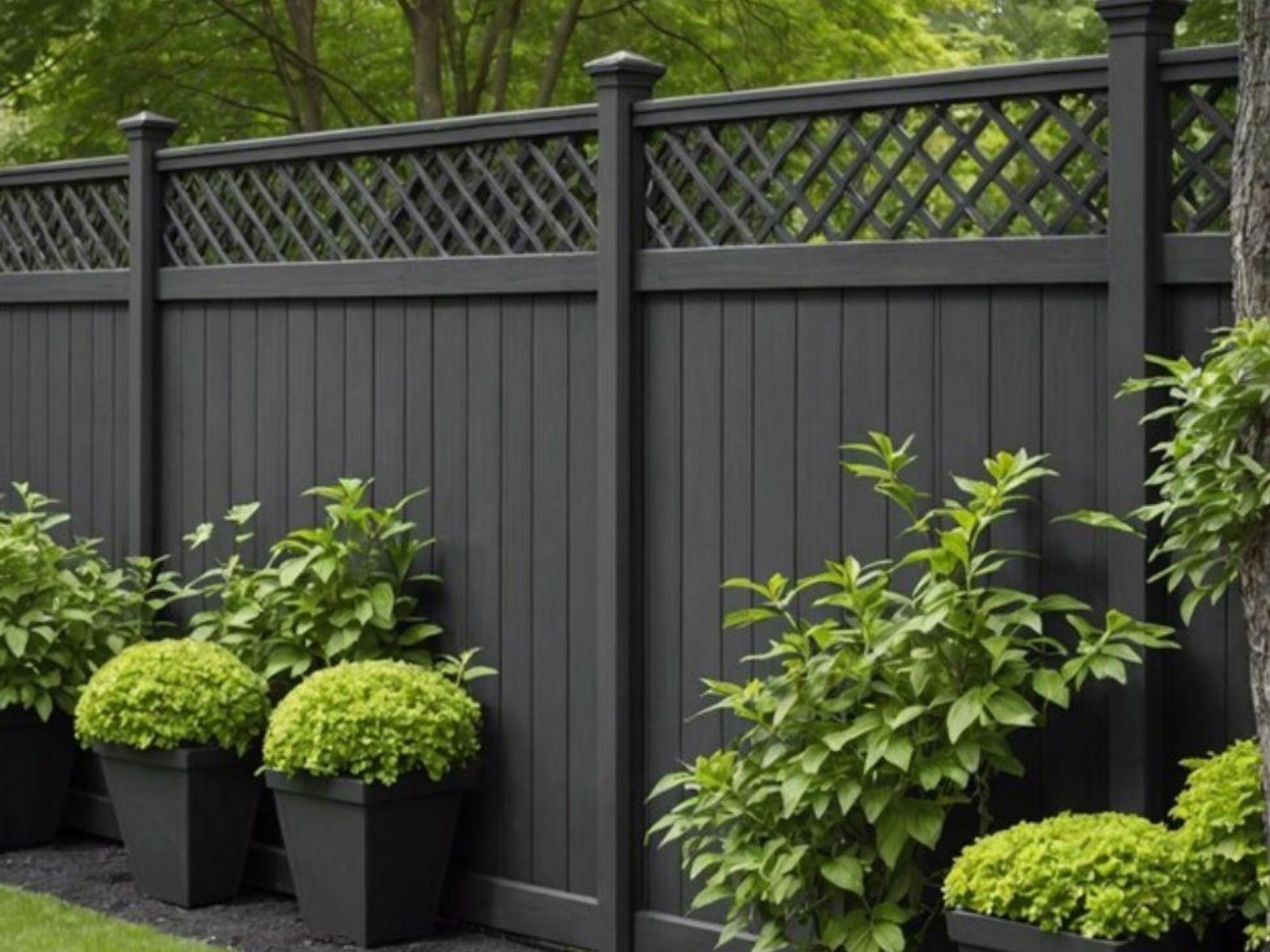
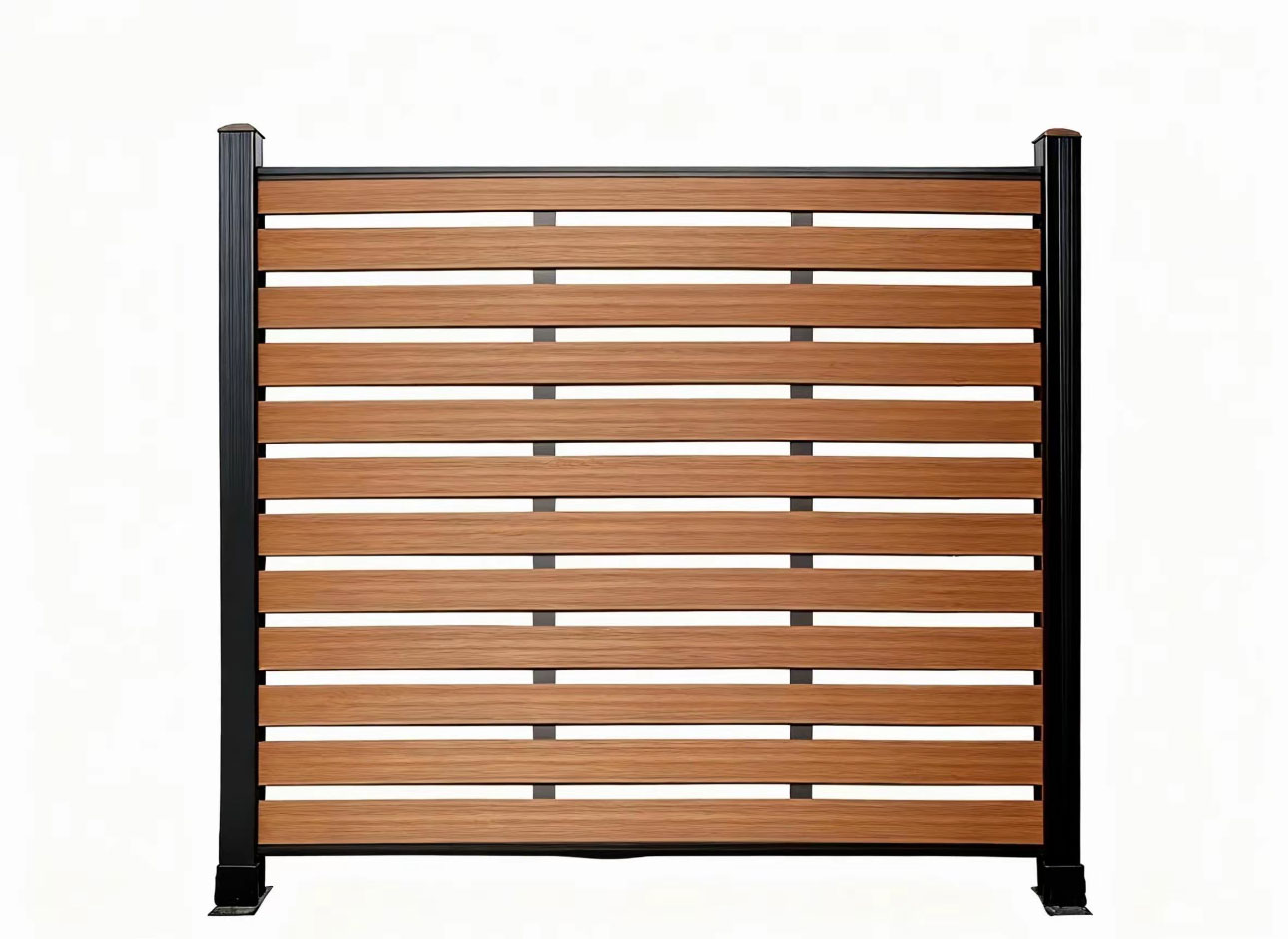
● Incorporate Malay traditional architectural elements, with the fence patterns using tropical plant relief, combined with matte gray + imitation wood texture processing, harmonizing with the community's garden landscape.
● Terrain Adaptation: Through adjustable bases, seamless connections are achieved at slopes/turns, eliminating visual flaws.
4. Sustainability and Economy:
● Aluminum alloy is 100% recyclable, with a 30% reduction in full life cycle cost compared to traditional materials.
V. Project Summary
1. Success Experience:
● During the design stage, the community's uniformity and the owners' individual needs were considered, and flexible customization was achieved through modularization.
● The deep integration of intelligent security and landscape beautification enhances the project's added value.
● Strict quality control and schedule management during construction ensure the delivery effect and efficiency.
2. Replicable Value: Applicable to high-end communities, resorts, etc. in tropical/subtropical regions, especially in harsh climate areas, the durability and economic advantages of aluminum alloy fences are significant.
-
Case 4
Case Study of Aluminum Alloy Fence Project in Malaysian Villa Area: A Comprehensive Safety, Aesthetics and Intelligence Integrated Solution in a Tropical Climate
Project Background: The Malaysian villa area is located in Johor City. The architectural style combines modern simplicity. The community consists of single-family and row houses, with the majority of the owners being international individuals and local high-net-worth families. To enhance the safety, privacy, and overall image of the community, the developer decided to upgrade the existing fences and replace them with aluminum alloy fences, creating an outdoor protection system that is both functional and artistic.
II. Project Pain Points
1. Climate Adaptability Pain Points:
● Malaysia has a hot and rainy climate all year round. Traditional iron fences are prone to rust, wooden fences are eroded by termites, and their lifespan is short.
● Frequent typhoons: Traditional fences have weak wind resistance and are prone to deformation or collapse, posing safety hazards.
2. Safety Protection Pain Points:
● The original fences were too low (only 1.8 meters), lacking anti-climbing design. There were multiple incidents of outsiders entering the community, resulting in low security for the owners.
● Insufficient night lighting, many blind spots for surveillance, and delayed security response.
3. Aesthetics and Integration Pain Points:
● The original fences were monotonous and clashed with the tropical garden style of the villa area. They lacked high-end texture and regional cultural characteristics.
● Some fences did not match the terrain, with gaps at corners and slopes, affecting overall aesthetics and sealingness.
4. Sustainability Pain Points:
● The materials are not recyclable, and the disposal of waste causes environmental pollution, not meeting the requirements of green community certification.
III. Solution
Solution: Aluminum Alloy Fence Integrated System
1. Climate Adaptation Technology:
● Select 6063-T5 aluminum alloy, with a durability reaching ISO 9227 standards, resistant to salt spray and ultraviolet rays, suitable for high-temperature and high-humidity environments.
● Structural reinforcement design: The posts adopt "embedded ground anchors + reinforced steel bars", with an anti-wind rating of 12 levels, and additional hidden anti-theft spikes on the top to prevent climbing.
2. Safety Upgrade Modules:
● The overall height of the fence is increased to 2.3 meters, and double-layer interlaced fences are added in key areas.
3. Aesthetics and Integration Design:
● Incorporate Malay traditional architectural elements, with the fence patterns using tropical plant relief, combined with matte gray + imitation wood texture processing, harmonizing with the community's garden landscape.
● Terrain Adaptation: Through adjustable bases, seamless connections are achieved at slopes/turns, eliminating visual flaws.
4. Sustainability and Economy:
● Aluminum alloy is 100% recyclable, with a 30% reduction in full life cycle cost compared to traditional materials.
V. Project Summary
1. Success Experience:
● During the design stage, the community's uniformity and the owners' individual needs were considered, and flexible customization was achieved through modularization.
● The deep integration of intelligent security and landscape beautification enhances the project's added value.
● Strict quality control and schedule management during construction ensure the delivery effect and efficiency.
2. Replicable Value: Applicable to high-end communities, resorts, etc. in tropical/subtropical regions, especially in harsh climate areas, the durability and economic advantages of aluminum alloy fences are significant.
-
Case 3
Case Study of Aluminum Alloy Fence Project in Malaysian Villa Area: A Comprehensive Safety, Aesthetics and Intelligence Integrated Solution in a Tropical Climate
Project Background: The Malaysian villa area is located in Johor City. The architectural style combines modern simplicity. The community consists of single-family and row houses, with the majority of the owners being international individuals and local high-net-worth families. To enhance the safety, privacy, and overall image of the community, the developer decided to upgrade the existing fences and replace them with aluminum alloy fences, creating an outdoor protection system that is both functional and artistic.
II. Project Pain Points
1. Climate Adaptability Pain Points:
● Malaysia has a hot and rainy climate all year round. Traditional iron fences are prone to rust, wooden fences are eroded by termites, and their lifespan is short.
● Frequent typhoons: Traditional fences have weak wind resistance and are prone to deformation or collapse, posing safety hazards.
2. Safety Protection Pain Points:
● The original fences were too low (only 1.8 meters), lacking anti-climbing design. There were multiple incidents of outsiders entering the community, resulting in low security for the owners.
● Insufficient night lighting, many blind spots for surveillance, and delayed security response.
3. Aesthetics and Integration Pain Points:
● The original fences were monotonous and clashed with the tropical garden style of the villa area. They lacked high-end texture and regional cultural characteristics.
● Some fences did not match the terrain, with gaps at corners and slopes, affecting overall aesthetics and sealingness.
4. Sustainability Pain Points:
● The materials are not recyclable, and the disposal of waste causes environmental pollution, not meeting the requirements of green community certification.
III. Solution
Solution: Aluminum Alloy Fence Integrated System
1. Climate Adaptation Technology:
● Select 6063-T5 aluminum alloy, with a durability reaching ISO 9227 standards, resistant to salt spray and ultraviolet rays, suitable for high-temperature and high-humidity environments.
● Structural reinforcement design: The posts adopt "embedded ground anchors + reinforced steel bars", with an anti-wind rating of 12 levels, and additional hidden anti-theft spikes on the top to prevent climbing.
2. Safety Upgrade Modules:
● The overall height of the fence is increased to 2.3 meters, and double-layer interlaced fences are added in key areas.
3. Aesthetics and Integration Design:
● Incorporate Malay traditional architectural elements, with the fence patterns using tropical plant relief, combined with matte gray + imitation wood texture processing, harmonizing with the community's garden landscape.
● Terrain Adaptation: Through adjustable bases, seamless connections are achieved at slopes/turns, eliminating visual flaws.
4. Sustainability and Economy:
● Aluminum alloy is 100% recyclable, with a 30% reduction in full life cycle cost compared to traditional materials.
V. Project Summary
1. Success Experience:
● During the design stage, the community's uniformity and the owners' individual needs were considered, and flexible customization was achieved through modularization.
● The deep integration of intelligent security and landscape beautification enhances the project's added value.
● Strict quality control and schedule management during construction ensure the delivery effect and efficiency.
2. Replicable Value: Applicable to high-end communities, resorts, etc. in tropical/subtropical regions, especially in harsh climate areas, the durability and economic advantages of aluminum alloy fences are significant.
-
Case 2
Case Study of Aluminum Alloy Fence Project in Malaysian Villa Area: A Comprehensive Safety, Aesthetics and Intelligence Integrated Solution in a Tropical Climate
Project Background: The Malaysian villa area is located in Johor City. The architectural style combines modern simplicity. The community consists of single-family and row houses, with the majority of the owners being international individuals and local high-net-worth families. To enhance the safety, privacy, and overall image of the community, the developer decided to upgrade the existing fences and replace them with aluminum alloy fences, creating an outdoor protection system that is both functional and artistic.
II. Project Pain Points
1. Climate Adaptability Pain Points:
● Malaysia has a hot and rainy climate all year round. Traditional iron fences are prone to rust, wooden fences are eroded by termites, and their lifespan is short.
● Frequent typhoons: Traditional fences have weak wind resistance and are prone to deformation or collapse, posing safety hazards.
2. Safety Protection Pain Points:
● The original fences were too low (only 1.8 meters), lacking anti-climbing design. There were multiple incidents of outsiders entering the community, resulting in low security for the owners.
● Insufficient night lighting, many blind spots for surveillance, and delayed security response.
3. Aesthetics and Integration Pain Points:
● The original fences were monotonous and clashed with the tropical garden style of the villa area. They lacked high-end texture and regional cultural characteristics.
● Some fences did not match the terrain, with gaps at corners and slopes, affecting overall aesthetics and sealingness.
4. Sustainability Pain Points:
● The materials are not recyclable, and the disposal of waste causes environmental pollution, not meeting the requirements of green community certification.
III. Solution
Solution: Aluminum Alloy Fence Integrated System
1. Climate Adaptation Technology:
● Select 6063-T5 aluminum alloy, with a durability reaching ISO 9227 standards, resistant to salt spray and ultraviolet rays, suitable for high-temperature and high-humidity environments.
● Structural reinforcement design: The posts adopt "embedded ground anchors + reinforced steel bars", with an anti-wind rating of 12 levels, and additional hidden anti-theft spikes on the top to prevent climbing.
2. Safety Upgrade Modules:
● The overall height of the fence is increased to 2.3 meters, and double-layer interlaced fences are added in key areas.
3. Aesthetics and Integration Design:
● Incorporate Malay traditional architectural elements, with the fence patterns using tropical plant relief, combined with matte gray + imitation wood texture processing, harmonizing with the community's garden landscape.
● Terrain Adaptation: Through adjustable bases, seamless connections are achieved at slopes/turns, eliminating visual flaws.
4. Sustainability and Economy:
● Aluminum alloy is 100% recyclable, with a 30% reduction in full life cycle cost compared to traditional materials.
V. Project Summary
1. Success Experience:
● During the design stage, the community's uniformity and the owners' individual needs were considered, and flexible customization was achieved through modularization.
● The deep integration of intelligent security and landscape beautification enhances the project's added value.
● Strict quality control and schedule management during construction ensure the delivery effect and efficiency.
2. Replicable Value: Applicable to high-end communities, resorts, etc. in tropical/subtropical regions, especially in harsh climate areas, the durability and economic advantages of aluminum alloy fences are significant.
-
Case 1
Case Study of Aluminum Alloy Fence Project in Malaysian Villa Area: A Comprehensive Safety, Aesthetics and Intelligence Integrated Solution in a Tropical Climate
Project Background: The Malaysian villa area is located in Johor City. The architectural style combines modern simplicity. The community consists of single-family and row houses, with the majority of the owners being international individuals and local high-net-worth families. To enhance the safety, privacy, and overall image of the community, the developer decided to upgrade the existing fences and replace them with aluminum alloy fences, creating an outdoor protection system that is both functional and artistic.
II. Project Pain Points
1. Climate Adaptability Pain Points:
● Malaysia has a hot and rainy climate all year round. Traditional iron fences are prone to rust, wooden fences are eroded by termites, and their lifespan is short.
● Frequent typhoons: Traditional fences have weak wind resistance and are prone to deformation or collapse, posing safety hazards.
2. Safety Protection Pain Points:
● The original fences were too low (only 1.8 meters), lacking anti-climbing design. There were multiple incidents of outsiders entering the community, resulting in low security for the owners.
● Insufficient night lighting, many blind spots for surveillance, and delayed security response.
3. Aesthetics and Integration Pain Points:
● The original fences were monotonous and clashed with the tropical garden style of the villa area. They lacked high-end texture and regional cultural characteristics.
● Some fences did not match the terrain, with gaps at corners and slopes, affecting overall aesthetics and sealingness.
4. Sustainability Pain Points:
● The materials are not recyclable, and the disposal of waste causes environmental pollution, not meeting the requirements of green community certification.
III. Solution
Solution: Aluminum Alloy Fence Integrated System
1. Climate Adaptation Technology:
● Select 6063-T5 aluminum alloy, with a durability reaching ISO 9227 standards, resistant to salt spray and ultraviolet rays, suitable for high-temperature and high-humidity environments.
● Structural reinforcement design: The posts adopt "embedded ground anchors + reinforced steel bars", with an anti-wind rating of 12 levels, and additional hidden anti-theft spikes on the top to prevent climbing.
2. Safety Upgrade Modules:
● The overall height of the fence is increased to 2.3 meters, and double-layer interlaced fences are added in key areas.
3. Aesthetics and Integration Design:
● Incorporate Malay traditional architectural elements, with the fence patterns using tropical plant relief, combined with matte gray + imitation wood texture processing, harmonizing with the community's garden landscape.
● Terrain Adaptation: Through adjustable bases, seamless connections are achieved at slopes/turns, eliminating visual flaws.
4. Sustainability and Economy:
● Aluminum alloy is 100% recyclable, with a 30% reduction in full life cycle cost compared to traditional materials.
V. Project Summary
1. Success Experience:
● During the design stage, the community's uniformity and the owners' individual needs were considered, and flexible customization was achieved through modularization.
● The deep integration of intelligent security and landscape beautification enhances the project's added value.
● Strict quality control and schedule management during construction ensure the delivery effect and efficiency.
2. Replicable Value: Applicable to high-end communities, resorts, etc. in tropical/subtropical regions, especially in harsh climate areas, the durability and economic advantages of aluminum alloy fences are significant.
-
Case 3
Outdoor Pavilion Project Case Sharing: Aluminum Alloy Leisure Pavilion Project for a Canadian Resort
I. Project Background: The Canadian resort focuses on natural landscapes and high-end leisure experiences. To enhance the visitor experience, the resort plans to build a series of outdoor pavilions in the lake area for visitors to rest, view the scenery, have meals, and hold small events. The client requires the pavilions to be both aesthetically pleasing, functional, and durable, while also integrating with the natural landscape and being able to adapt to various outdoor climates.
II. Project Challenges
1. Climate Challenges: The climate in Canada is variable, with long and cold winters and short and warm summers. The pavilions need to be able to withstand various extreme weather conditions, such as strong winds, heavy snow, and high temperatures.
2. Environmental Integration: The resort is surrounded by beautiful natural environment. The design of the pavilions needs to be in harmony with the surrounding natural landscape, without disrupting the original ecological beauty.
3. Durability Requirements: As outdoor facilities, the pavilions need to have good durability, being able to withstand long-term exposure to wind, sun, and rain erosion, and reducing maintenance costs.
4. Safety Considerations: Ensuring the safety of visitors is the top priority. The structure of the pavilion must be stable, and the materials must meet safety standards to avoid accidents.
5. Personalized Needs: The resort hopes that the pavilions have a unique design style that can attract the attention of visitors and enhance the brand image of the resort.
III. Solutions
1. Material Selection: High-strength aluminum alloy is selected as the main material for the pavilions. Aluminum alloy has the advantages of light weight, high strength, corrosion resistance, and good weather resistance, which can well cope with the climate conditions in Canada. Additionally, aluminum alloy materials can be recycled, meeting environmental requirements.
2. Design Style: The design of the pavilions is combined with the natural environment and the overall architectural style of the resort. A simple yet modern design style is created. Large areas of glass windows are used to allow visitors to enjoy the surrounding scenery while ensuring good lighting and ventilation. The color of the pavilions is chosen to be in harmony with the natural environment, allowing them to blend into the surrounding landscape.
3. Stable Structure: The structural design of the pavilions is calculated and simulated by professionals to ensure they can withstand natural disasters such as strong winds and heavy snow. Advanced connection technologies are used to ensure the overall stability and safety of the pavilions.
4. Detailing: In the design of the pavilions, the user experience of visitors is fully considered. For example, comfortable seats and tables are set up to facilitate rest and dining; shading facilities and lighting equipment are installed to meet the needs of visitors at different times of the day; the ground is made of anti-slip materials to ensure the safety of visitors.
IV. Customer Feedback
1. Resort Operator: "The pavilions not only improved visitor satisfaction but also became a social media hotspot, driving a X% increase in resort occupancy. The modular design made the activity space more flexible, and the operating costs were significantly reduced."
2. Visitor Evaluation: "The pavilion design is very stylish. Sitting inside, you can enjoy the lake view very comfortably. The shading effect is good, and the lighting at night is very warm, making it perfect for family outings."
3. Property Team: "The aluminum material is really convenient. It has no rust for X years and is easy to clean. It is much more convenient than traditional wooden pavilions."
Project Summary
1. Successful Experience:
● Precisely matching the resort's positioning, the pavilions are designed as a landscape highlight and functional carrier.
● Modular design and intelligent elements enhance space utilization and sustainability.
● Material selection balances aesthetics and durability, reducing the total life cycle cost.
2. Replicable Value: Suitable for outdoor spaces such as scenic spots, resorts, high-end residential courtyards, and parks, providing beautiful, practical, and low-maintenance pavilion solutions.
-
Case 2
Outdoor Pavilion Project Case Sharing: Aluminum Alloy Leisure Pavilion Project for a Canadian Resort
I. Project Background: The Canadian resort focuses on natural landscapes and high-end leisure experiences. To enhance the visitor experience, the resort plans to build a series of outdoor pavilions in the lake area for visitors to rest, view the scenery, have meals, and hold small events. The client requires the pavilions to be both aesthetically pleasing, functional, and durable, while also integrating with the natural landscape and being able to adapt to various outdoor climates.
II. Project Challenges
1. Climate Challenges: The climate in Canada is variable, with long and cold winters and short and warm summers. The pavilions need to be able to withstand various extreme weather conditions, such as strong winds, heavy snow, and high temperatures.
2. Environmental Integration: The resort is surrounded by beautiful natural environment. The design of the pavilions needs to be in harmony with the surrounding natural landscape, without disrupting the original ecological beauty.
3. Durability Requirements: As outdoor facilities, the pavilions need to have good durability, being able to withstand long-term exposure to wind, sun, and rain erosion, and reducing maintenance costs.
4. Safety Considerations: Ensuring the safety of visitors is the top priority. The structure of the pavilion must be stable, and the materials must meet safety standards to avoid accidents.
5. Personalized Needs: The resort hopes that the pavilions have a unique design style that can attract the attention of visitors and enhance the brand image of the resort.
III. Solutions
1. Material Selection: High-strength aluminum alloy is selected as the main material for the pavilions. Aluminum alloy has the advantages of light weight, high strength, corrosion resistance, and good weather resistance, which can well cope with the climate conditions in Canada. Additionally, aluminum alloy materials can be recycled, meeting environmental requirements.
2. Design Style: The design of the pavilions is combined with the natural environment and the overall architectural style of the resort. A simple yet modern design style is created. Large areas of glass windows are used to allow visitors to enjoy the surrounding scenery while ensuring good lighting and ventilation. The color of the pavilions is chosen to be in harmony with the natural environment, allowing them to blend into the surrounding landscape.
3. Stable Structure: The structural design of the pavilions is calculated and simulated by professionals to ensure they can withstand natural disasters such as strong winds and heavy snow. Advanced connection technologies are used to ensure the overall stability and safety of the pavilions.
4. Detailing: In the design of the pavilions, the user experience of visitors is fully considered. For example, comfortable seats and tables are set up to facilitate rest and dining; shading facilities and lighting equipment are installed to meet the needs of visitors at different times of the day; the ground is made of anti-slip materials to ensure the safety of visitors.
IV. Customer Feedback
1. Resort Operator: "The pavilions not only improved visitor satisfaction but also became a social media hotspot, driving a X% increase in resort occupancy. The modular design made the activity space more flexible, and the operating costs were significantly reduced."
2. Visitor Evaluation: "The pavilion design is very stylish. Sitting inside, you can enjoy the lake view very comfortably. The shading effect is good, and the lighting at night is very warm, making it perfect for family outings."
3. Property Team: "The aluminum material is really convenient. It has no rust for X years and is easy to clean. It is much more convenient than traditional wooden pavilions."
Project Summary
1. Successful Experience:
● Precisely matching the resort's positioning, the pavilions are designed as a landscape highlight and functional carrier.
● Modular design and intelligent elements enhance space utilization and sustainability.
● Material selection balances aesthetics and durability, reducing the total life cycle cost.
2. Replicable Value: Suitable for outdoor spaces such as scenic spots, resorts, high-end residential courtyards, and parks, providing beautiful, practical, and low-maintenance pavilion solutions.
-
Case 1
Outdoor Pavilion Project Case Sharing: Aluminum Alloy Leisure Pavilion Project for a Canadian Resort
I. Project Background: The Canadian resort focuses on natural landscapes and high-end leisure experiences. To enhance the visitor experience, the resort plans to build a series of outdoor pavilions in the lake area for visitors to rest, view the scenery, have meals, and hold small events. The client requires the pavilions to be both aesthetically pleasing, functional, and durable, while also integrating with the natural landscape and being able to adapt to various outdoor climates.
II. Project Challenges
1. Climate Challenges: The climate in Canada is variable, with long and cold winters and short and warm summers. The pavilions need to be able to withstand various extreme weather conditions, such as strong winds, heavy snow, and high temperatures.
2. Environmental Integration: The resort is surrounded by beautiful natural environment. The design of the pavilions needs to be in harmony with the surrounding natural landscape, without disrupting the original ecological beauty.
3. Durability Requirements: As outdoor facilities, the pavilions need to have good durability, being able to withstand long-term exposure to wind, sun, and rain erosion, and reducing maintenance costs.
4. Safety Considerations: Ensuring the safety of visitors is the top priority. The structure of the pavilion must be stable, and the materials must meet safety standards to avoid accidents.
5. Personalized Needs: The resort hopes that the pavilions have a unique design style that can attract the attention of visitors and enhance the brand image of the resort.
III. Solutions
1. Material Selection: High-strength aluminum alloy is selected as the main material for the pavilions. Aluminum alloy has the advantages of light weight, high strength, corrosion resistance, and good weather resistance, which can well cope with the climate conditions in Canada. Additionally, aluminum alloy materials can be recycled, meeting environmental requirements.
2. Design Style: The design of the pavilions is combined with the natural environment and the overall architectural style of the resort. A simple yet modern design style is created. Large areas of glass windows are used to allow visitors to enjoy the surrounding scenery while ensuring good lighting and ventilation. The color of the pavilions is chosen to be in harmony with the natural environment, allowing them to blend into the surrounding landscape.
3. Stable Structure: The structural design of the pavilions is calculated and simulated by professionals to ensure they can withstand natural disasters such as strong winds and heavy snow. Advanced connection technologies are used to ensure the overall stability and safety of the pavilions.
4. Detailing: In the design of the pavilions, the user experience of visitors is fully considered. For example, comfortable seats and tables are set up to facilitate rest and dining; shading facilities and lighting equipment are installed to meet the needs of visitors at different times of the day; the ground is made of anti-slip materials to ensure the safety of visitors.
IV. Customer Feedback
1. Resort Operator: "The pavilions not only improved visitor satisfaction but also became a social media hotspot, driving a X% increase in resort occupancy. The modular design made the activity space more flexible, and the operating costs were significantly reduced."
2. Visitor Evaluation: "The pavilion design is very stylish. Sitting inside, you can enjoy the lake view very comfortably. The shading effect is good, and the lighting at night is very warm, making it perfect for family outings."
3. Property Team: "The aluminum material is really convenient. It has no rust for X years and is easy to clean. It is much more convenient than traditional wooden pavilions."
Project Summary
1. Successful Experience:
● Precisely matching the resort's positioning, the pavilions are designed as a landscape highlight and functional carrier.
● Modular design and intelligent elements enhance space utilization and sustainability.
● Material selection balances aesthetics and durability, reducing the total life cycle cost.
2. Replicable Value: Suitable for outdoor spaces such as scenic spots, resorts, high-end residential courtyards, and parks, providing beautiful, practical, and low-maintenance pavilion solutions.